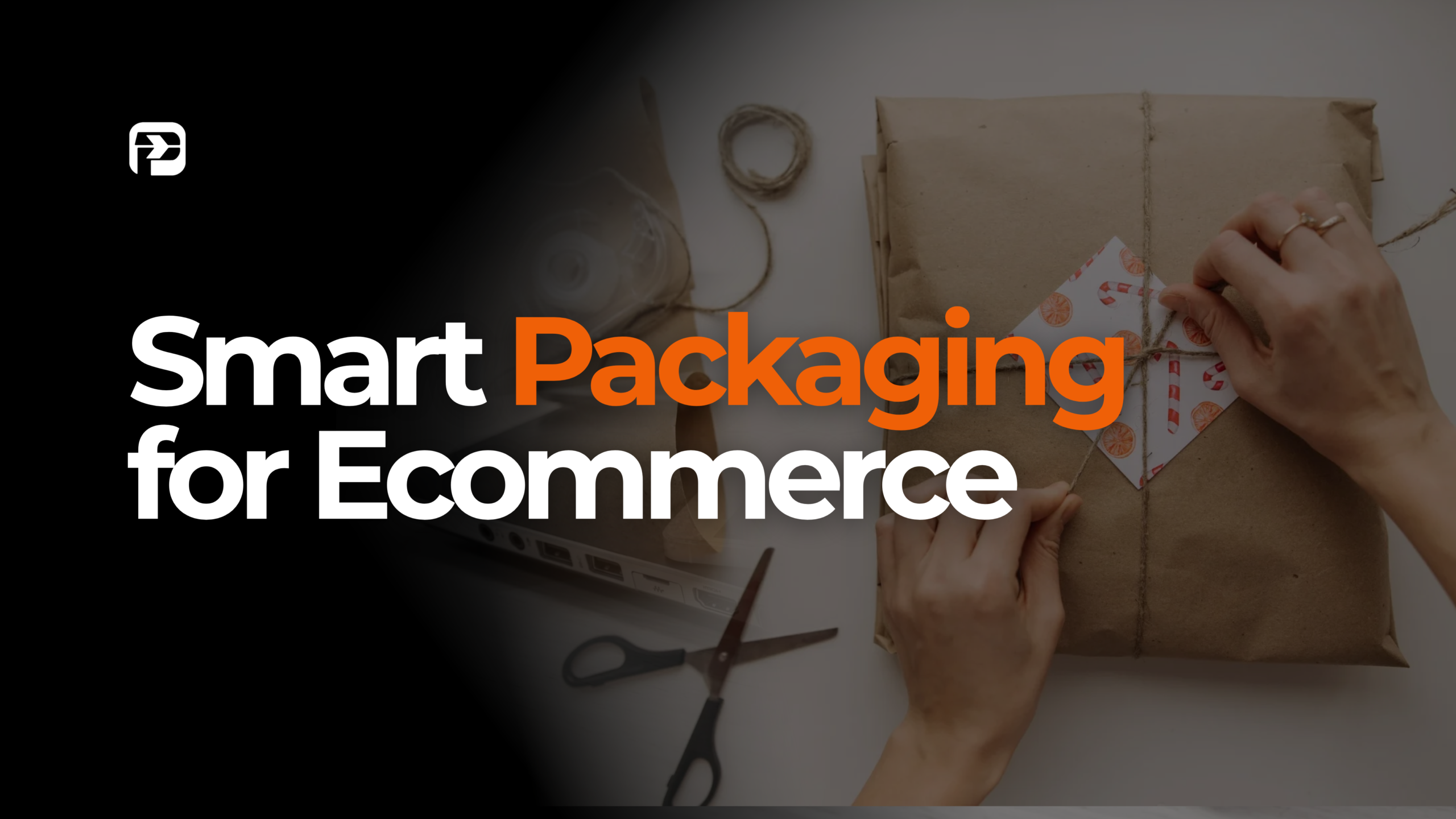
Smart Packaging for Ecommerce: How to Cut Shipping Costs and Wow Every Customer
Smart packaging for ecommerce can lower your shipping costs, reduce damaged orders, and create a memorable unboxing experience. Here is how to get it right.
Most online sellers think of packaging as an afterthought. Get the product in a box, tape it up, ship it out. But packaging is quietly one of the biggest levers you have for controlling costs and building a brand customers remember.
If you sell on Shopify, WooCommerce, TikTok Shop, Etsy, or any other direct to consumer channel, the way you pack every order affects your shipping bill, your damage rate, your repeat purchase rate, and how your brand feels in someone’s hands the moment they open the box.
Here is what smart packaging actually looks like, and how to start doing it without blowing up your budget.
Table of Contents
ToggleWhy Your Packaging Might Be Costing You More Than You Think
A lot of sellers lose money on packaging without ever noticing it on a spreadsheet. It shows up quietly, order after order.
Oversized Boxes Inflate Your Shipping Costs
Most carriers price shipments using dimensional weight, not just actual weight. That means a small, light product sitting inside a box that is twice the size it needs to be can cost you more to ship than the item itself.
Right sizing your packaging to match your product is one of the fastest ways to bring shipping costs down without changing carriers or negotiating new rates.
Poor Protection Leads to Damaged Orders
When products shift around loosely inside a box, they arrive scuffed, cracked, or broken. Damaged orders trigger refunds, replacements, and support tickets, and they chip away at customer trust.
The fix is not more filler everywhere. It is the right filler in the right places, sized to the product.
Too Much Filler Is Wasted Money
Bubble wrap, packing paper, and air pillows all cost money per order. Overusing them because a box is too big is one of the most common (and most avoidable) packaging expenses in ecommerce.
The Payoff of Getting It Right
Right sized, well protected packaging does three things at once: it lowers your cost per shipment, it reduces damage and returns, and it makes the unboxing experience feel more intentional. That last part matters more than most sellers realize, since first impressions from packaging directly shape whether someone orders again.
How to Choose the Right Box Size
Picking the right box is not just about what looks neat. It comes down to a few practical factors.
- Product dimensions. Measure the actual item, not just what feels “safe.”
- Shipping cost. Smaller, well matched boxes almost always ship cheaper due to dimensional weight pricing.
- Protection. The box should hold the product snugly enough that it cannot shift, without needing to be overstuffed with filler.
- Presentation. A box that is sized correctly looks more polished the moment it is opened, before the customer even sees what’s inside.
If you are shipping multiple SKUs with different dimensions, keeping two or three box sizes on hand (instead of one size for everything) usually pays for itself within a few months.
How to Personalize Your Packaging Without Spending a Fortune
Personalized packaging does not require custom printed boxes or a big design budget. Small, low cost additions go a long way.
Custom thank you cards. A simple card that thanks the customer and briefly shares your story costs pennies and adds a personal touch that generic packaging never will.
Branded stickers. A sticker with your logo on the outside of a plain box or sealing the tissue paper instantly makes packaging feel intentional.
Tissue paper. Wrapping the product in branded or colored tissue paper creates a cleaner reveal and adds a layer of extra protection at the same time.
A QR code. Instead of a long URL printed on an insert, a QR code can send customers straight to your site, your social pages, a loyalty program, or a review request page.
A discount card. A small percentage off their next order is often enough to bring a first time buyer back for a second purchase.
A handwritten note for VIP customers. For repeat buyers or larger orders, a short, genuine note like “thanks for supporting our small business” leaves an impression that automated emails cannot match.
None of these require a big budget. What they require is consistency, doing the same small things on every order so your brand feels the same way every time.
Eco Friendly Packaging Customers Actually Appreciate
Sustainability is not just a marketing angle anymore. Many customers actively notice when a brand’s packaging is wasteful, and they notice just as much when it is not.
- Kraft boxes instead of glossy printed ones, which feel natural and are easy to recycle.
- Paper tape in place of plastic tape, so the whole box can go straight into recycling.
- Recycled fillers, like shredded paper or recycled paper cushioning, instead of foam peanuts or plastic air pillows.
- Minimal packaging that avoids unnecessary layers while still protecting the product.
- Reusable pouches for smaller, lighter items that do not need a full box.
Eco conscious packaging pairs naturally with right sizing. Smaller, simpler packaging is usually both cheaper to ship and lighter on waste, so the two goals tend to point in the same direction.
What Smart Packaging Actually Adds Up To
None of these changes need to happen all at once. Even switching to right sized boxes, or adding a single low cost personal touch like a thank you card, moves the needle.
Over time, smart packaging choices lead to:
- Lower shipping costs per order
- Fewer damaged shipments and fewer refund requests
- A stronger first impression the moment a package is opened
- More repeat customers, since a great unboxing experience is one of the simplest ways to earn a second order
Packaging is not just protective material around a product. For most online shoppers, it is the first physical touchpoint they have with your brand, and it shapes how they feel about everything else that follows.
Frequently Asked Questions
What is smart packaging in ecommerce? Smart packaging means choosing box sizes, materials, and protective filler that match the product being shipped, rather than using one size or one method for every order. It lowers shipping costs, reduces damage, and improves the customer’s unboxing experience.
Does packaging really affect shipping cost? Yes. Most carriers price packages based on dimensional weight, which factors in the size of the box, not just its actual weight. An oversized box for a small, light product can cost noticeably more to ship than a right sized one.
How can a small ecommerce brand personalize packaging on a budget? Low cost additions like thank you cards, branded stickers, tissue paper, and QR codes can make packaging feel personal without the cost of custom printed boxes.
Is eco friendly packaging more expensive? Not necessarily. Kraft boxes, paper tape, and recycled fillers are often comparable in cost to their less sustainable alternatives, and pairing them with right sized packaging can lower your overall packaging spend.
At Preppal, we help ecommerce and FBM sellers streamline fulfillment with packing processes built to protect products, improve presentation, and keep shipping costs under control. Whether you are shipping through your own online store or fulfilling orders across multiple sales channels, our team makes sure every package leaves the warehouse ready to represent your brand well.
Because every shipment is more than just a box. It is a chance to make your customer’s day a little better, and make them want to order again.
Address: 10690 Wakeman Ct. Manassas, Virginia 20110
Website: preppal.us
Email Address: didik@preppal.us
Contact Number: +1 (703) 656-1080
FB & IG: @thepreppal.va